<

Founder-Led Messaging System: Website, Deck, PR, Content, Community

Founder-Led Messaging System: Website, Deck, PR, Content, Community

Short answer: a founder-led messaging system turns the founder’s market context into consistent, proof-backed language across the website, pitch deck, PR, content, community, sales, and partner conversations. It is not a tagline exercise. It is the operating system that helps a technical company explain what it does, why it matters, why now, and why the market should trust it.

Many founder-led companies do not have a messaging problem because nobody can write. They have a messaging problem because every surface explains a different version of the company.

The website says one thing. The deck says another. The founder explains it better on calls. PR uses a simplified angle. Content teaches a topic but does not create demand. Community repeats features. Sales adapts the story in private. Partners describe the company in their own words.

The company may be strong, but the market sees fragments.

A founder-led messaging system fixes that fragmentation.

Messaging is not a slogan

A slogan can be useful, but it cannot carry GTM.

A real messaging system answers:

  • What category are we in?
  • What problem do we make visible?
  • Who should care first?
  • What old way are we replacing?
  • What proof makes the claim credible?
  • What should the founder be known for?
  • What should partners, media, community, and buyers repeat?
  • What should never be overstated?

For technical companies, this matters because the product often has more depth than the market can absorb at first contact. If the messaging system is weak, the team either oversimplifies the product into vague benefits or overexplains it into feature density.

The right system compresses complexity without flattening substance.

The five surfaces that must agree

A founder-led messaging system should make five surfaces feel like one company.

1. Website

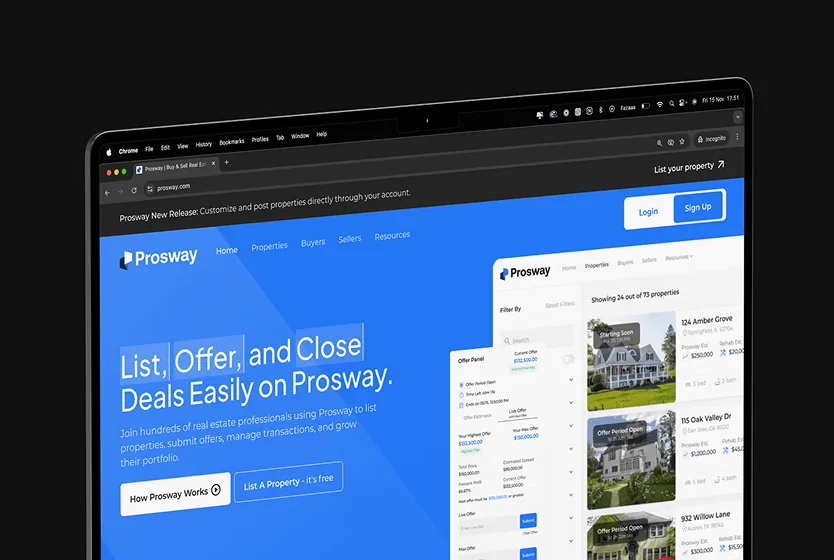
The website is the public inspection layer. It needs to explain the category, buyer pain, proof, offer, and next step quickly. A weak website makes visitors work too hard: unclear category, generic hero, too many features, thin proof, vague CTA, disconnected cases, or no answer to obvious objections.

The website does not need to say everything. It needs to create enough understanding and trust for the next step.

2. Deck

The deck often contains the sharpest version of the company because founders and fundraising teams spend more time on it. But if the deck is much clearer than the website, the public surface is underperforming.

The deck can go deeper. It should not tell a different story.

3. PR and media

PR needs a clean angle. But if the company has not defined the core narrative, PR partners will simplify the story in whatever way is easiest to pitch. Sometimes that wins coverage. It may not build trust.

A founder-led messaging system gives PR teams the main market claim, proof points, founder quote logic, category context, forbidden claims, explainable product language, and links to public proof.

4. Content and founder voice

Content should not be a separate calendar floating beside the business. Founder posts, SEO articles, emails, community updates, and essays should reinforce the same market logic: why the problem matters, what the market gets wrong, what the company believes, what proof is emerging, and what buyers should understand next.

5. Community and sales conversations

Community and sales teams reveal messaging gaps quickly. If the same questions repeat, the messaging system is missing answers. If people misunderstand the category, the category language is weak. If sales calls require long explanations, the public surface is not carrying enough context.

The system should feed those learnings back into the website, deck, FAQ, proof assets, and founder content.

The CYCLE messaging system framework

CYCLE uses a practical framework: Claim, Proof, Surface, Sequence, Feedback.

Layer Question Output
Claim What should the market believe? Main narrative, category, buyer pain
Proof Why should the market believe it? Evidence map, use cases, traction, founder credibility
Surface Where does the claim appear? Website, deck, PR, founder content, community, sales
Sequence In what order should the market learn it? Launch story, content order, PR timing, internal links
Feedback What is the market still misunderstanding? FAQ updates, objection content, proof gaps, copy changes

This framework keeps messaging operational. It is not just a document. It becomes a weekly system for making the company easier to explain.

What breaks when messaging is not systemized

Common failure modes:

  1. The founder explains it better than every asset.
  2. The website is broad while the deck is specific.
  3. PR angles over-simplify the product.
  4. Content educates without selling the market logic.
  5. Community repeats features instead of belief.
  6. Vendors create inconsistent language.
  7. Sales has to repair confusion manually.

These are not cosmetic issues. They slow GTM.

How to build the system

Step 1: extract founder signal

Start with the founder’s best explanation from sales calls, investor conversations, product walkthroughs, and customer discussions. Ask what the founder explains repeatedly, what people misunderstand, what proof changes someone’s mind, and what smart buyers ask before trusting the company.

Step 2: define the claim hierarchy

Separate category claim, buyer pain, product change, proof, founder credibility, and commercial next step. This prevents every page from trying to say everything.

CYCLE’s Founder-Led Category Narrative article covers the category layer in more detail.

Step 3: map proof to claims

Every important claim needs proof. If a claim has no proof, weaken it, support it, or remove it. Unsupported messaging creates short-term clarity and long-term distrust. A Proof Layer Audit is useful because it shows which claims are market-ready and which need evidence before distribution.

Step 4: assign each surface a job

The website establishes trust and routes interest. The deck explains depth and commercial logic. PR creates third-party context. Founder content builds authority and market belief. Community answers and reinforces. Sales converts interest into fit and action.

Step 5: install a feedback loop

Track repeated objections, confused questions, strongest founder explanations, pages people inspect, phrases partners repeat, PR angles that land, and content that creates qualified conversations. Then update the system.

Operational example

A technical founder says the product is “an AI workflow orchestration platform for regulated teams.” The website repeats that phrase. The deck explains compliance, risk, auditability, and time saved. PR pitches “AI automation.” Community talks about integrations. Sales keeps explaining why the product is not just another automation tool.

The messaging system would define the category, buyer pain, proof, founder POV, website job, PR job, content job, and community/sales job. Now every surface says the same thing in the language appropriate to that surface.

How CYCLE uses messaging work

CYCLE treats messaging as GTM infrastructure.

The GTM Control Room connects founder signal, proof, narrative, vendor briefs, content, PR, and weekly execution. The message is not handed off once. It is used across the operating system.

That matters because technical companies rarely suffer from lack of ideas. They suffer from scattered explanation.

FAQ

What is a founder-led messaging system?

A founder-led messaging system is the shared narrative, proof, language, and feedback loop that connects the founder’s market context to the website, deck, PR, content, community, and sales.

How is it different from brand messaging?

Brand messaging often focuses on voice, positioning, and expression. A founder-led messaging system is more operational: it connects claims, proof, surfaces, channel sequence, and market feedback.

Who should own messaging?

The founder should remain the source of strategic signal, but an operator should turn that signal into a system. Copywriters, agencies, PR partners, and content teams can then execute from a shared brief.

When does a startup need this?

A startup needs it when different surfaces explain the company differently, when the founder is clearer than the website, or when vendors are creating inconsistent market language.

How does CYCLE help?

CYCLE helps founder-led technical companies extract founder signal, map proof, align public surfaces, and turn messaging into a working GTM system.

Bottom line

Messaging is not the words on one page. It is the system that makes the company understandable wherever the market encounters it.